Charles Gibson of Deephaven. Image courtesy Lake Minnetonka Historical Society.
History enthusiasts and Lake Minnetonka locals are in for a treat as the Lake Minnetonka Historical Society hosts an engaging event to delve into the legacy of Charles Gibson, a Missouri capitalist who significantly shaped Deephaven’s early development.
Event Details:
When: January 13, 2025 at 7:00 PM (Doors open at 6:30 PM)
Northome. Image courtesy Lake Minnetonka Historical Society.
Deephaven historian Barb Sykora will present the life and work of Charles Gibson, who first visited Minnesota in the 1850s to escape the summer heat of St. Louis. Over the years, Gibson not only encouraged friends to experience the beauty of the area but also invested in its future. In the 1870s, he constructed Northome, one of the lake’s first grand homes, and played a pivotal role in creating the Hotel St. Louis, the region’s first grand hotel.
Hotel St. Louis. Image courtesy Lake Minnetonka Historical Society.
Attendees will learn about Gibson’s multifaceted life as a lawyer, landholder, businessman, hotelier, political enthusiast, and supporter of public parks. The presentation will also highlight his personal story as a husband and father of eight. A historical photograph of Gibson with his grandson in front of Northome will provide a visual connection to this fascinating era.
About the Lake Minnetonka Historical Society Formed in 2023 through the consolidation of several local historical organizations, the Lake Minnetonka Historical Society has become a central hub for preserving and sharing the area’s rich history. With extensive archival collections and museums in Excelsior, Mound, and Wayzata, the Society is dedicated to making Lake Minnetonka’s past accessible both in-person and online.
The Society also champions unique initiatives like restoring the 1906 streetcar steamboat Minnehaha to serve as a floating museum. Through public programs, publications, and interactive experiences, the organization brings the lake’s vibrant history to life.
Don’t miss this opportunity to step back in time and discover the vision and influence of Charles Gibson, a key figure in shaping the Deephaven we know today.
The St. Paul and Pacific Railroad is met by the “Lady of the Lake” in Wayzata, 1867. From LMHS Collection.
The Lake Minnetonka Historical Society (LMHS) is inviting the community to step back in time and explore the rich history of rail travel along the shores of Lake Minnetonka. The event, titled “The Reach of the Rail – All Aboard for the North Shore,” will be hosted on Thursday, November 21, at 7:00 pm in the Wayzata Community Room, located at 600 Rice Street East in Wayzata. Dennis Bartholow, a well-known railroad historian, will lead the presentation, recounting Wayzata’s 157-year journey as a key stop on the rail line.
The program promises to bring to life the early days of rail travel, from the arrival of the Saint Paul & Pacific Railway in 1867, which first connected Wayzata to the region, to the present-day Burlington Northern Santa Fe line, which still hugs the lakeshore today. Bartholow will delve into the rail histories of neighboring communities Woodland, Orono, and Minnetonka Beach, shedding light on how the rail industry influenced the lake’s development.
This engaging look into Lake Minnetonka’s rail past comes at a unique time for the newly formed LMHS. Officially established in October 2023, the Society is the result of a merger between several local historical organizations: the Excelsior-Lake Minnetonka Historical Society, the Museum of Lake Minnetonka, the Wayzata Historical Society, and the Westonka Historical Society. Together, these groups have united to build one of the area’s largest collections of local artifacts, archives, and historical exhibits, spanning over a century of lake life and culture.
The Society’s archives, housed in Wayzata, are a treasure trove for anyone interested in Lake Minnetonka’s history, offering both in-person and online access to thousands of documents and objects. In addition to this vast collection, LMHS maintains museums in Excelsior, Mound, and Wayzata, preserving the stories of lake towns for future generations. The Society also hopes to bring back the historic 1906 streetcar steamboat Minnehaha to active operation, a beloved floating museum that once again would offer visitors a glimpse into the past from the lake’s sparkling waters.
Although admission to “The Reach of the Rail” is free, space is limited, and attendees are encouraged to pre-register. Doors open at 6:30 pm, with a suggested contribution of $5 to support the Society’s programs and operations. Registration is available here.
Visit the LMHS website at LakeMinnetonkaHistory.org, call 952-474-2115, or email info@LakeMinnetonkaHistory.org.
A Culinary Landmark and Community Hub in Wayzata’s History
Hart’s Cafe. Image courtesy Rich & Charlotte Buratto.
Hart’s Cafe was more than just a restaurant; it was a cornerstone of Wayzata, Minnesota, with a history as rich as its menu. “It’s always been the center of activity in town, that location where CōV is now,” states Wayzata historian Joanie Holst, who serves on the Board of the Lake Minnetonka Historical Society and has written and published a great deal of Wayzata’s history over the years. “That location is where the first Fourth of July event was held. It has always been a central gathering spot.“
Established in 1927 by Hart DuPrey, this beloved eatery became a central part of the town’s identity for over 50 years. Set on the picturesque shores of Lake Minnetonka, Hart’s evolved from a summer-only spot into a year-round gathering place for locals and visitors alike.
Hart DuPrey. Image courtesy Rich & Charlotte Buratto.
The cafe’s long-standing history is deeply intertwined with the DuPrey family and the community it served. Hart DuPrey’s vision was carried on by his daughter Lorraine and her husband, Howard Taylor, in 1946, and later by their daughter, Charlotte, and her husband, Rich Buratto, in 1976. Under their care, Hart’s remained a cherished local spot where families gathered, clubs met, and business deals were struck over a good meal.
Hart’s Cafe was known for its welcoming atmosphere and diverse menu, featuring everything from tender steaks and fresh seafood to its famous barbecued ribs and hearty sandwiches. The restaurant’s culinary legacy brought people together, offering not only great food but also a sense of belonging. Its commitment to quality made it a favorite for generations, with customers returning for the delicious meals and the familiar, friendly faces that greeted them.
Image courtesy Lake Minnetonka Historical Society.
Beyond its food, Hart’s Cafe played a vital role in the Wayzata community. It was more than a place to eat—it was where people connected, shared stories, and built relationships. From its early days, when it housed a popular bowling alley, to its final years, when it underwent significant renovations, Hart’s Cafe adapted to the changing times while maintaining its heart and soul.
In 1983, after more than half a century, Hart’s closed its doors, making way for a new establishment. However, its spirit lives on in the memories of those who experienced its warmth, hospitality, and timeless charm. Today, Hart’s Cafe is remembered fondly as a key part of Wayzata’s culinary and community heritage, a place that left an indelible mark on all who walked through its doors.
From Saloon to Dry Goods to Dining by Lake Minnetonka
Lamb Brothers’ store and Wayzata’s first fire engine in 1898. Wayzata’s new “pumper engine” could shoot a stream of water over two stories high. Men pulled it if no horse was available. Note the building to the left of store; this was the Gold Mine Antique shop in more recent years – then a boarding house. Image LMHS.
In the late 1800’s, George Reed owned a saloon at the corner of Broadway and Lake Street. “So the first building that is built there is a two-story building, a saloon owned by a man named George Reed,” states Joanie Holst. “Now they think that George Reed closed the saloon because Wayzata got voted dry and it’s hard for a saloon to survive if you can’t sell booze, and it turned into a blind pig or speakeasy.”
Reed sold the property to William Bushnell, who was a mason and he turned it into a general store, according to Holst. General stores across the United States at the time served as a central hub and gathering spot for residents to buy a broad range of products in one place, including groceries, hardware, clothing, household items, and sometimes farming supplies.
Lamb Brothers grocery and drug store on Lake Street, about 1900. Image courtesy Lake Minnetonka Historical Society.
In 1904 Lorin and Annie Lamb came to Wayzata from Marian, Ohio, and bought the property from Bushnell in 1906 and operated Lamb Dry Goods from 1906-1926. The Lamb daughters Myrtle, Ruth, and Sarah may have worked in the store, according to records held by the LMHS. The building had an extension added onto it to house the grocery.
Harts Cafe circa 1927. Just puchased by Hart Duprey. Originally Lamb Bros. Dry Goods and Grocery. Previously Bushnell Gen. Store and Reids Saloon.
In 1927, Hart DuPrey acquired the property from Lorin Lamb. DuPrey then transformed the building into Hart’s Cafe, the beloved Wayzata restaurant. During the renovation, the second story was removed, giving the building its new look. “Charlotte’s grandfather, Hartwell DuPrey, bought the building from the Lamb Brothers, it was a general store,” states Richard Buratto, former owner of Hart’s Cafe. “We don’t know what happened to the second story.“
Hart DuPrey on the right. Image courtesy the Burattos.
“Hart opened up in 1927.” states Buratto. At the time, Lake Minnetonka was a thriving tourist destination, known for its scenic charm and tranquil waters. The lake and its surrounding towns, including Wayzata, attracted a diverse crowd of vacationers, from local families to high-profile visitors, all looking for a peaceful retreat.
Hart’s Cafe quickly became a favorite stop for those wanting to relax and enjoy a meal after a day spent boating, fishing, or simply taking in the lake’s beauty.
DuPrey’s concept for the cafe fit perfectly into Wayzata’s role as a summer haven. The casual yet welcoming atmosphere made Hart’s a natural gathering spot, where locals and visitors alike could connect over food and conversation. Hart’s Cafe became more than just a place to eat—it became part of the summer rhythm, offering respite and community during the bustling tourist season.
The Early Charm of Hart’s Cafe: A Hub for Dining, Bowling, and Community
Hart DuPrey and the Wayzata Bowling Team. Image courtesy Lake Minnetonka Historical Society.
Hart’s Cafe was more than just a place to eat; it was a gathering spot, a hub of activity where the Wayzata community came together. The original cafe, located by the waters of Lake Minnetonka, offered a cozy, welcoming atmosphere. From its early days, the cafe quickly became known for its warm service and homestyle meals, attracting both locals and tourists alike.
Hart’s Bowling Alley Located inside Hart’s Cafe. Image courtesy Rich & Charlotte Buratto.
One of the unique features introduced by Hart DuPrey in the 1930s was a six-lane bowling alley—a feature that gave Hart’s even more significance as a social hotspot. It wasn’t just a place to grab a meal, but a spot to have fun, laugh, and spend time with family and friends. However, due to the difficulties in obtaining staff to set pins during World War II, and the fact there was no such thing as an automatic pin setter, the bowling alley was closed in 1946.
Image courtesy Rich & Charlotte Buratto.
“Howard Taylor went to work for Hart in 1939,” stated Buratto. “There was another restaurant on 18th and Lyndale that they had and Howard ran the one in Minneapolis and Hart ran the one at the Lake here.“
Hart’s continued to thrive, remaining a favorite for business meetings, clubs, and community gatherings. The cafe’s role in Wayzata extended beyond food; it became woven into the social fabric of the town. From morning coffee to dinner conversations, Hart’s was where memories were made, and connections were deepened.
Post-War Changes and a New Era for Hart’s Cafe: The Taylor Family Takes the Helm
After World War II, Hart’s Cafe entered a new chapter. In 1946, Hart DuPrey passed away, and Howard Taylor, who married Hart’s daughter Lorraine sold the restaurant in Minneapolis and came out to run the restaurant in Wayzata. “Howard bought the restaurant out from the two sisters, there were three daughters and one brother of Hartwell DuPrey, the brother was killed in the war.” states Charlotte Buratto.
The transition was a natural one, and Howard was ready to take the reins.
Lorraine DuPrey TaylorHoward Taylor
Under Taylor’s leadership, the cafe began to see some changes, although the core of what made Hart’s special remained intact. “The building behind the cafe, the 6 lane bowling alley, we don’t know when it was built, but it was built behind the restaurant,” states Richard.
The Taylors were committed to upholding the traditions set by DuPrey while embracing progress, ensuring that Hart’s Cafe would remain a cornerstone of Wayzata life. Their hands-on approach and dedication to the community helped the cafe thrive well into the modern era, keeping its legacy alive for future generations to enjoy.
Howard Taylor’s Management
Howard Taylor stepped into the spotlight at Hart’s Cafe, bringing with him a unique blend of experiences that shaped the restaurant’s future. Born in Chaska, Minnesota, Howard grew up with a passion for food and service. His journey into the restaurant business began rather serendipitously at Woodhill Country Club, where he worked as a caddy in his youth.
This early exposure to the hospitality industry opened doors for him when Hart DuPrey, the original owner of Hart’s Cafe, took over the golf club and offered Howard a job. Although Howard initially had no experience washing dishes, he embraced the opportunity to learn, and it wasn’t long before he discovered his knack for managing the bustling cafe.
A significant turning point in Howard’s life was his marriage to Lorraine DuPrey, Hart’s daughter. This union not only solidified his connection to the cafe’s rich legacy but also deepened his commitment to maintaining the family tradition established by Hart.
Together, they nurtured the cafe, blending Howard’s fresh ideas with the cherished recipes and practices that had made Hart’s a beloved establishment in Wayzata. Their partnership in both life and business became the backbone of the restaurant, allowing it to flourish in the years that followed.
Renovations and Expansion in 1951
Interior of Hart’s Cafe. Image courtesy Lake Minnetonka Historical Society.
In 1951, Hart’s Cafe underwent significant renovations that transformed it into a year-round dining destination, due to the widening of Lake Street which transformed the structures associated with the restaurant. “Prior to 1951, Lake Street came down and made a jog to the left, it was a curved road and they wanted to straighten out the road.” states Buratto.
Charlie Schoen, longtime Wayzata resident and also a historian states, “I’d ride my bike along there and I remember you really had to watch your handle because you could hit your wrist on the doorknobs of the buildings on Lake Street.“
Schoen knows the old time Hart’s Cafe building well, as he owns it and the property presently located at 712 Lake Street, the modern day Timber & Tulip business one door to the east of CoV. “So the old Hart’s Cafe building sat right in front of the bowling alley building, to the north, and the cafe was picked up, hauled to the east, turned 90 degrees, and plopped down by Jack Eastman, who then went about adding another 5 feet onto it,” states Schoen.
“They took the restaurant building, moved it out down behind the bowling alley building and that’s the original restaurant there that building {712 Lake}“, states Richard. As part of the widening of Lake Street, the renovations included converting the bowling alley into an expanded dining area, allowing for an increased capacity to serve more guests and fostering a lively atmosphere that encouraged community gatherings. “They converted the bowling alley into the cafe in 1951,” states Buratto.
Charlotte Buratto states, “So basically they made the bowling alley into the restaurant, so it is the bottom floor of CoV, and so literally you had the front, the dining room, the serving bar, and the kitchen, and that’s what dad made.”
Hart’s Cafe Menu. Image courtesy the Burattos.
An article in the Minnetonka Herald stated that when the remodeled restaurant was opened on Mother’s Day in 1951, Taylor said, “We ran out of everything and people kept coming in. We never handled such a large crowd before, and we’ve never had such a mess before or since. Now on a average Sunday we serve that many and more and think nothing of it.“
The Taylor family embraced the idea of offering a diverse range of dishes that catered to both locals and visitors alike. From mouthwatering steaks and seafood to hearty sandwiches and comforting hot dishes, the menu reflected a commitment to quality and variety.
Howard’s dedication to providing exceptional service and delicious food turned Hart’s Cafe into a beloved staple in Wayzata. Talking about his own preference, Taylor was quoted in the Minnetonka Herald, “I get enough of steaks and prime ribs and that stuff, but what’s really a treat for me is a nice hot dish.”
There were four full time cooks and a staff of twenty five waitresses and other helpers.
With the cafe now operating year-round, it became a popular gathering spot not just during the summer but throughout all seasons. Whether it was a cozy winter evening or a sunny summer afternoon, the cafe was always buzzing with patrons enjoying good food and good company.
Community Hub: Celebrating Events and Family Gatherings Under Howard Taylor
Howard Taylor, owner of Hart’s Cafe, and Rich Buratto, manager, stand before the new Hart’s sign erected last month to replace a small flashing-light sign. Image courtesy Lake Minnetonka Historical Society.
During Howard Taylor’s ownership, Hart’s Cafe transformed into a beloved community hub, where events and family gatherings flourished. The warm, inviting atmosphere of the cafe made it a favored location for celebrating milestones—be it birthday parties, anniversaries, or holiday feasts. Families found joy in gathering around the cafe’s tables, creating cherished memories over hearty meals.
Beyond private celebrations, Hart’s Cafe became a key meeting point for local clubs and organizations. Whether it was the Rotary Club hosting a lunch or local fishermen swapping stories about their latest catches on Lake Minnetonka, the cafe offered a welcoming space for camaraderie and connection. Howard Taylor’s friendly demeanor and commitment to service fostered a sense of belonging among patrons, turning casual diners into regulars who felt like family.
Transitioning Legacy: From Howard Taylor to Rich and Charlotte Buratto
Rich & Charlotte Buratto. Image courtesy Rich & Charlotte Buratto.
In 1976, a significant transition took place at Hart’s Cafe when Howard Taylor passed the torch to Rich and Charlotte Buratto. “I went to work there on December 1st, 1965to manage the cafe,” states Richard.
This change was not just a shift in ownership; it was a heartfelt continuation of the cafe’s rich family legacy. Rich and Charlotte had deep roots in the cafe’s history, as Charlotte was the granddaughter of Hart DuPrey, the original founder. This familial connection brought a sense of tradition and continuity, ensuring that the spirit of Hart’s Cafe remained intact. Charlotte states, “It went from son-in-law to son-in-law.”
Rich and Charlotte came into ownership with a passion for preserving the cafe’s heritage while also infusing their own vision. They had both worked at Hart’s Cafe under Howard Taylor, gaining invaluable experience in the restaurant business. This familiarity allowed them to seamlessly transition into their new roles, maintaining the cafe’s beloved atmosphere while also bringing fresh ideas to the table. “We bought it in 1976.” stated Richard.
Continuation of the Family Legacy
The Hart’s Cafe dinner menu with tallies from 1977. Image courtesy the Burattos.
The Burattos embraced their role as custodians of Hart’s Cafe with enthusiasm and dedication. They understood the importance of community and strived to foster an environment where guests felt like part of the family. Under their stewardship, the cafe continued to be a cherished gathering spot for locals, hosting celebrations and events that echoed the traditions established by Howard and Hart before him.
Rich and Charlotte’s commitment to quality and service ensured that the culinary legacy of Hart’s Cafe flourished. They made thoughtful updates to the menu, incorporating new dishes while honoring the classic favorites that had long delighted patrons. Their efforts to create a welcoming atmosphere drew in a new generation of customers, all while keeping the spirit of the cafe’s history alive.
As the Burattos took the helm, they were not just continuing a business; they were nurturing a community institution. Their tenure marked a vibrant chapter in Hart’s Cafe’s story, ensuring that the cafe would remain a beloved fixture in Wayzata for years to come.
Rich Buratto is featured in an advertisement for the Wayzata Bank & Trust Company. Image courtesy Rich Buratto.
Renovations Under Buratto Ownership
Under the ownership of Rich and Charlotte Buratto, Hart’s Cafe underwent exciting renovations that breathed new life into the beloved establishment. One of the most significant changes came in 1979 when they added a second story to the building. The second-story addition transformed Hart’s Cafe, leasing office space to businesses and those who wanted to overlook Wayzata Bay. “In February we closed for two months, and then we remodeled the restaurant, basically refurbished the inside,” states Richard.
Changes to the Menu and Cafe Operations
In addition to the structural changes, the Burattos also took the opportunity to refresh the cafe’s menu and operations. While they honored the traditional dishes that had been staples of Hart’s Cafe, they introduced new offerings that reflected changing culinary trends and the evolving tastes of their clientele. The menu blossomed with diverse options, ensuring there was something for everyone—whether it was a hearty breakfast, a leisurely lunch, or a delightful dinner.
Screenshot
The Burattos also embraced year-round operations, moving away from the cafe’s original summer-only concept. This change meant that the residents of Wayzata could enjoy the comforts of Hart’s Cafe regardless of the season, whether it was cozying up indoors during the winter months or enjoying al fresco dining on the patio during the summer. This commitment to serving the community year-round further strengthened the cafe’s connection to its patrons.
The renovations and menu enhancements under Rich and Charlotte Buratto’s ownership not only revitalized Hart’s Cafe but also ensured its legacy continued to thrive. Their thoughtful approach to preserving tradition while embracing innovation allowed Hart’s to remain a cherished dining destination for locals and visitors alike.
Challenges Faced by the Burattos
While the Burattos were committed to honoring Hart’s Cafe’s rich legacy, they encountered their fair share of challenges during their tenure. One of the most significant hurdles was navigating the evolving culinary landscape and changing customer expectations. As dining trends shifted, the Burattos had to find the right balance between preserving the beloved traditions of the cafe and introducing new dishes that would appeal to a more diverse clientele. This required careful consideration of the menu and a willingness to experiment while ensuring that long-time patrons still found their favorite dishes available.
Competition in the Restaurant Industry
Additionally, the restaurant industry was becoming increasingly competitive, with new dining options popping up in Wayzata and the surrounding areas. The Burattos faced the challenge of standing out in a crowded marketplace. They needed to continually innovate and promote Hart’s Cafe to attract both loyal customers and new visitors. This meant not only refining the menu but also enhancing the overall dining experience, which included attentive service, a comfortable ambiance, and community engagement.
Economic Factors
Hart’s Cafe placemat. Image courtesy the Burattos.
Economic fluctuations also posed challenges. The cafe had to adapt to changing economic conditions, which affected both consumer spending and the cost of ingredients. Maintaining profitability while keeping prices accessible for the community was a delicate balancing act. The Burattos had to be strategic in their operations, ensuring that they could provide quality meals without compromising the cafe’s reputation.
Personal Sacrifices
On a personal level, running the cafe was demanding, requiring long hours and immense dedication. Rich and Charlotte often found themselves working seven days a week, juggling the responsibilities of ownership with their family life. This commitment sometimes took a toll on their well-being, and they faced the challenge of finding a sustainable work-life balance. Yet, despite the hurdles, their passion for Hart’s Cafe and the community kept them motivated.
Ad for Harts Cafe. Image courtesy Lake Minnetonka Historical Society.
Decision to Sell the Cafe in 1983
In 1983, after nearly a decade of ownership, Rich and Charlotte Buratto made the heartfelt decision to sell Hart’s Cafe. This was not an easy choice for them, as the cafe had become an integral part of their lives and the Wayzata community. However, a variety of factors influenced their decision, prompting them to pass the torch to new owners while ensuring that the cafe’s legacy would continue. “On July 15th, 1983, we sold the property to Peter Huerfurth who bought it and had Bob Forsburg, and Forsberg opened J.J. Hills Iron Horse in the Hart’s building.”
Factors Influencing the Sale
One of the primary factors influencing the sale was the Burattos’ desire for a change after years of relentless dedication to the restaurant. The demands of running Hart’s Cafe had taken a toll on their personal lives. “We were tired. We never got big enough to hire a manager,” the Burattos stated in a Lakeshore Weekly News article from 1983.
They often worked long hours, seven days a week, and began to feel the need for a reprieve from the intense pace of the restaurant business. Additionally, they sensed that the market was shifting, with increasing competition and changing customer preferences. This led them to believe that it might be challenging for Hart’s, as it had traditionally been known, to adapt and thrive in the evolving culinary landscape.
Hart’s expansion plans. Image courtesy Lake Minnetonka Historical Society.
Reflections on the Cafe’s History and Legacy
As they prepared to say goodbye to Hart’s Cafe, the Burattos reflected fondly on the establishment’s rich history and its significance in the community. From its humble beginnings in 1927 under Hart DuPrey’s stewardship to the transformative years of their ownership, Hart’s had been a gathering place for countless families, friends, and community members. They recalled the memories created over shared meals, the laughter during celebrations, and the heartfelt conversations that took place within its walls.
The new Hart’s Cafe in the foreground, and the old Hart’s cafe to the east. Image courtesy Lake Minnetonka Historical Society.
Rich and Charlotte felt proud to have continued the cafe’s legacy, contributing to its storied past while adding their personal touch. They understood that, although they were stepping away, Hart’s Cafe would forever hold a special place in the hearts of those who had dined there. As they took down the cafe’s name, they did so with gratitude for the friendships formed and the memories made, confident that the restaurant would continue to thrive in the capable hands of the Forsbergs and Huerfurth.
In that moment, they felt a bittersweet sense of closure, knowing they were not just closing a chapter but preserving a beloved tradition that would continue to enrich the Wayzata community for years to come.
Conclusion: The Enduring Legacy of Hart’s Cafe
View west down Lake Street near Harts Cafe. Image courtesy Lake Minnetonka Historical Society.
Throughout its remarkable history, Hart’s Cafe has served as more than just a restaurant; it has been a beloved social hub in Wayzata, where families and friends gathered to share meals and create lasting memories. For generations, the cafe has played a pivotal role in family traditions and celebrations, marking birthdays, anniversaries, and everyday moments that matter. Its warm and inviting atmosphere made it a natural choice for those looking to connect over good food and great company.
The impact of Hart’s Cafe on local culture and community bonding cannot be overstated. It fostered relationships among neighbors, bringing together people from all walks of life. The cafe became a cherished space where stories were shared, laughter echoed, and friendships blossomed. Even as it transitioned through various ownerships and identities, the essence of Hart’s Cafe remained rooted in its commitment to community and hospitality.
As we reflect on the enduring legacy of Hart’s Cafe, it’s clear that its influence extends far beyond the dining experience. The stories of its patrons and the cherished moments spent within its walls have woven it into the fabric of Wayzata. Hart’s Cafe stands as a testament to the significance of shared meals and community connections, reminding us of the power of coming together to celebrate life’s milestones, big and small.
In a world that often rushes by, Hart’s Cafe invites us to pause, savor the moment, and appreciate the bonds that bring us together. It has left an indelible mark on the hearts of many, and its legacy continues to inspire a sense of community, warmth, and togetherness that will endure for years to come.
The modern day building that houses CoV. Image copyright Wayzata.com.
Minneapolis, Lyndale & Minnetonka Motor Line (right) in front of their Pavilion at the Excelsior docks, ca. 1887. Image courtesy Lake Minnetonka Historical Society.
The arrival of the Minneapolis & St. Louis Railroad to Excelsior in 1881 marked a turning point for the town and the entire South Shore of Lake Minnetonka. Before this crucial connection, travelers had to navigate rough roads, ice paths, or boats from Wayzata to reach Excelsior and other southern lakeside towns. With the new rail line, Excelsior rapidly transformed from a quiet village into a bustling destination and hub for visitors and commerce.
In honor of this key moment in local history, the Lake Minnetonka Historical Society (LMHS) is proud to present “The Reach of the Rail: All Aboard for the South Shore” as its October Presentation. On Monday, October 14, at 7:00 pm, railroad historian and enthusiast Dennis Bartholow will host the event at Excelsior Brewing Company (421 Third Street, Excelsior), taking attendees on a journey back in time to the railroad’s arrival and the impact it had on Excelsior, Deephaven, Greenwood, Shorewood, Tonka Bay, and beyond.
Submitted image, courtesy Lake Minnetonka Historical Society.
Bartholow will explore how the railroad helped shape Excelsior’s identity and contributed to the development of the surrounding communities. Through stories, anecdotes, and historical insights, he will highlight how this vital rail connection spurred growth, tourism, and local industry along the South Shore, making Excelsior not just a place to pass through but a destination in its own right.
The LMHS October Presentation, set in the historic surroundings of Excelsior Brewing Company—just steps away from where the original train depot once stood—offers a perfect atmosphere for learning about and celebrating this chapter of Lake Minnetonka’s history.
The Lake Minnetonka Historical Society invites local history enthusiasts, railroad buffs, and curious community members to join this free event and learn how the arrival of the railroad shaped the towns we know and love today. Whether you come for the storytelling, the history, or simply to enjoy a pint while hearing tales from the past, this evening is sure to be engaging and informative.
Event Details:
What: LMHS October Presentation – “The Reach of the Rail: All Aboard for the South Shore”
When: Monday, October 14, 7:00 pm
Where: Excelsior Brewing Company, 421 Third Street, Excelsior, MN
The Lake Minnetonka Historical Society (LMHS) will present a history cruise and walking tour of Big Island aboard “Her Excellency” on Sunday, Sept. 15, from 11 a.m. to 2 p.m.
Tickets are $55 for LMHS members and $70 for nonmembers and are available at tinyurl.com/55rvn9jy.
For more information, contact LMHS at info@LakeMinnetonkaHistory.org or 952-474-2115.
The event will explore the unique and varied history of Lake Minnetonka’s Big Island by both lake and land.
Box lunches will be served as passengers cruise from Excelsior to Big Island and back on Wayzata Bay Charters’ “Her Excellency.”
Participants will then disembark for a guided walking tour of Orono’s Big Island Nature Park, where local historians will discuss the history of the island’s Native people, early settlers, Big Island Park, Big Island Game Farm and Big Island Veterans Camp.
Soft drinks and spirits will be available for purchase on board.
The Lake Minnetonka Historical Society tells the story of Lake Minnetonka by collecting, preserving and sharing its history.
The society was formed in October 2023 through the consolidation of the Excelsior-Lake Minnetonka Historical Society, the Museum of Lake Minnetonka, the Wayzata Historical Society and the Westonka Historical Society.
The new organization has one of the largest archival and three-dimensional collections of Lake Minnetonka history available in person and online. It maintains a Research Archives in Wayzata, as well as museums in Excelsior, Mound and Wayzata.
The society also shares the history of the lake through a variety of public programs and experiences, publishes books about the history of the area, and is committed to returning its historic 1906 streetcar steamboat Minnehaha to active operation on Lake Minnetonka as a floating museum.
For more information, visit LakeMinnetonkaHistory.org or contact the society at info@LakeMinnetonkaHistory.org or 952-474-2115.
Wayzata: Weekends and holidays, Noon-2:00 pm (May-October).
Westonka: Saturdays, 10:00 am-2:00 pm (All year round).
Westonka Museum. Submitted photo.
The Society shares the story of Lake Minnetonka through various programs, publications, and is working towards reviving the historic steamboat Minnehaha as a floating museum.
1898 Plat Map of Hennepin County digitally restored and enhanced by Scott D. McGinnis.
The Lake Minnetonka Historical Society (LMHS) is set to showcase “The Early History of Wayzata and the North Shore” featuring historian Joanie Holst.
The event will take place on Monday, February 12, at 7:00 pm in the Wayzata Community Room, located at 600 Rice Street East, Wayzata, MN.
Holst’s presentation will guide the audience through Wayzata’s early history, commencing from its pre-settlement era and progressing to its founding in 1854.
Attendees will delve into the settlers’ narratives, gaining insights into life in the burgeoning village.
The discussion will also shed light on the significant impact of the arrival of the railroad in 1867, transforming Wayzata into the “gateway to Lake Minnetonka” and reshaping the lake’s history.
For those interested in attending, free pre-registration is encouraged due to limited capacity.
Doors will open at 6:30 pm, and seating will be on a first-come, first-served basis.
The Lake Minnetonka Historical Society, formed in October 2023 through the consolidation of the Excelsior-Lake Minnetonka Historical Society, the Museum of Lake Minnetonka, the Wayzata Historical Society, and the Westonka Historical Society, aims to narrate the story of Lake Minnetonka by collecting, preserving, and sharing its history.
With one of the largest archival and three-dimensional collections of Lake Minnetonka history, the organization provides resources both in-person and online.
The LMHS maintains a Research Archives in Wayzata and Museums in Excelsior, Mound, and Wayzata.
In addition to its archival efforts, the society conducts various public programs and experiences to share the lake’s history.
They publish and sell numerous books focusing on the area’s history and are dedicated to restoring the historic 1906 streetcar Steamboat Minnehaha for active operation on Lake Minnetonka, continuing its legacy as a floating museum.
For further information, visit LakeMinnetonkaHistory.org or contact the Society at info@LakeMinnetonkaHistory.org or 952-474-2115.
The Lake Minnetonka Historical Society invites the public to delve into the rich history of Mound, Minnesota, and its significance in the Upper Lake Minnetonka region. Historian Jeff Magnuson will lead an engaging presentation titled “The Early History of Mound and the Upper Lake” on Monday, January 8, 2024, at 7:00 pm. The event will take place at Back Channel Brewing Co., located at 4787 Shoreline Dr, Spring Park, MN.
Plat of Minnetonka Lake Property, Minnetrista Township, Hennepin Co. Minn showing Cooks Bay. Submitted photo.
Magnuson’s presentation promises to uncover the origins of Mound, touching on various historical facets from pre-history to the establishment of a commercial district in 1900 with the arrival of the railroad. Attendees will learn about Lake Minnetonka’s indigenous people, the iconic earthen mounds, early Euro-American settlement, and the evolution of the original Mound City into a popular tourist destination.
To secure a spot at this enlightening event, free registration is encouraged at https://earlymound.eventbrite.com. Due to limited capacity, early registration is recommended. A suggested contribution of $5.00 is appreciated.
For more details, interested individuals can visit LakeMinnetonkaHistory.org, or reach out to the Society at info@lakeminnetonkahistory.org or 952-474-2115.
The Lake Minnetonka Historical Society, committed to collecting, preserving, and sharing the history of Lake Minnetonka, was established in October 2023. Formed through the consolidation of the Excelsior-Lake Minnetonka Historical Society, the Museum of Lake Minnetonka, the Wayzata Historical Society, and the Westonka Historical Society, the new organization boasts one of the largest archival and three-dimensional collections of Lake Minnetonka history, available both in-person and online.
With a Research Archives in Wayzata and Museums in Excelsior, Mound, and Wayzata, the Society provides a comprehensive platform to explore the heritage of the region. Public programs and experiences are organized to share the lake’s history, and the Society publishes and sells a range of books about the area’s historical significance.
Notably, the Society is dedicated to restoring its historic 1906 streetcar steamboat, the Minnehaha, to active operation on Lake Minnetonka, ensuring it continues its legacy as a floating museum.
The mishap occurred last week and was first reported on social media. One observer opined it may cost $100,000 to have the structure rebuilt. City officials did not immediately return questions about who would rebuild and at what cost.
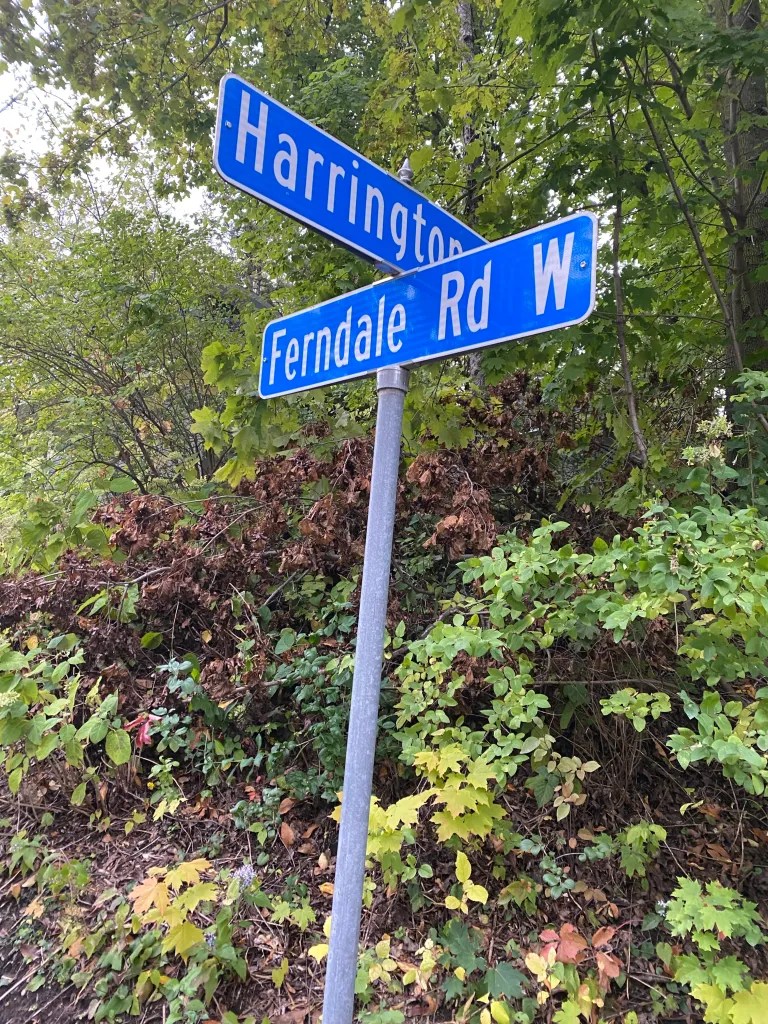
The stone pillars are a remnant of Harrington Farms, established by John Harrington on the shores of Lake Minnetonka.
John Stevens Harrington arrived in Wayzata in about 1854. He purchased 160 acres south of Ferndale for $2.50 per acre, building a lake side home for his family and adding 16 rooms, renaming the structure Harrington Inn. The area later became Harrington Farms. Courtesy Lake Minnetonka Historical Society.
Stay tuned to Wayzata.com for more on this developing story.
The Lake Minnetonka Historical Society (LMHS) extends a warm invitation to the public for a special Volunteer Open House on Saturday, October 14, from 3:00 pm to 5:00 pm. This event will take place at the Wayzata City Hall Community Room, 600 Rice Street East, Wayzata. If you’re a history buff or simply looking to get involved in preserving the rich heritage of Lake Minnetonka, this is an opportunity you won’t want to miss.
The LMHS is on a mission to enrich the community’s appreciation of Lake Minnetonka’s history, and they need your help. The LMHS recently formed through the consolidation of various historical societies, including the Wayzata Historical Society, Excelsior-Lake Minnetonka Historical Society, Museum of Lake Minnetonka (home of the iconic steamboat Minnehaha), and the Westonka Historical Society, all united on October 1.
This marks the second in a series of Volunteer Open Houses that will be held at different locations around Lake Minnetonka over the coming year.
Visitors to the Open House will have the chance to meet the LMHS board, enjoy light refreshments, and gain insights into the various volunteer opportunities and committees available within this new volunteer-driven organization. Whether you’re interested in a long-term leadership role or want to assist on a short-term, occasional basis, there are roles suitable for everyone. Committees span across areas like Archives/Collections, Development/Fundraising, Marketing/Communications, Merchandise, Museums (including working with the historic streetcar boat “Minnehaha”), and Public Programs. These opportunities cater to a wide range of ages, abilities, interests, schedules, and Lake Minnetonka locations, with virtual options also on the table.
For those unable to attend the Volunteer Open House in person, you can learn more about volunteering and sign up to be contacted at tinyurl.com/m4th7s29.
The Lake Minnetonka Historical Society boasts one of the largest collections of Lake Minnetonka history, both in physical archives and three-dimensional items, accessible in-person and online. By uniting the strengths of the consolidating organizations and with the eventual addition of professional staff, the LMHS plans to expand its mission, telling the story of all of Lake Minnetonka in innovative ways and reaching new audiences. Their focus includes collecting, preserving, and sharing the extensive history of the Lake.
Future endeavors for LMHS include consolidating their archives for best preservation practices and public access, expanding public programs and experiences around the lake, as well as revitalizing the historic 1906 streetcar boat, Minnehaha, for active operation on Lake Minnetonka.
For additional information about this exciting consolidation, you can visit tinyurl.com/33f4umd7.
So, whether you’re a dedicated history aficionado or simply someone looking to get involved in a local cultural gem, the Lake Minnetonka Historical Society’s Volunteer Open House promises a valuable opportunity to contribute to the preservation and appreciation of Lake Minnetonka’s rich heritage.







You must be logged in to post a comment.